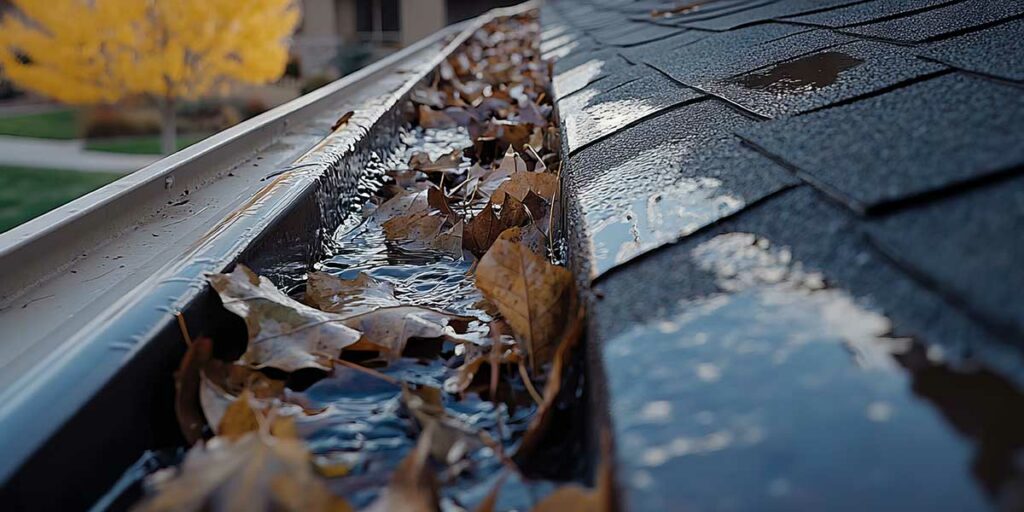
Before a storm, clear your gutters and downspouts, make sure water drains away from the foundation, and secure anything loose in the yard. After it passes, check that gutters are still attached and flowing, clear packed debris, and rinse wind-driven salt and grime off siding and windows before the film sets in.
Hurricane season in the Atlantic runs from June through November. In Mount Pleasant, that means half the year with the marsh, the harbor and the ocean all close enough to push rain, wind and salt air straight at your house. Most storms that reach us are tropical systems and heavy rain bands rather than direct hits, but even those can overwhelm a gutter system that wasn’t ready.
This checklist covers the outside of your home in two parts: what to do before a storm, and what to do once it has moved through.
A normal summer shower gives your gutters time to drain. A tropical system can dump rain for hours, often sideways. If the gutter is half full of leaves and pine straw, water spills over the front edge and lands right next to your foundation, your flower beds and your crawl space vents.
Clogged downspouts make it worse. Water backs up into the gutter, adds weight, and pulls on the hangers. That is how gutters start to sag or separate from the fascia board during a long storm.
If you’re not sure whether your gutters are in good shape right now, our post on the seven signs of clogged gutters walks through what to look for from the ground.
Start this early in the season, ideally in late spring, and repeat a quick check when a named storm shows up in the forecast. Do not climb a ladder once wind picks up.
Clear the gutters. Remove leaves, pine needles, seed pods and the muck that settles at the bottom. Live oaks and pines drop debris year round here, so a gutter that was clean in March may not be clean in August.
Flush the downspouts. A clear gutter does nothing if the downspout is packed. Run water through each one and watch that it exits freely at the bottom.
Check the extensions. Downspout extensions and splash blocks should send water several feet away from the house. Storm runoff is exactly what they’re for.
Look at the hangers. Loose or missing gutter hangers are easy to spot from the ground. Sections that already sag are the most likely to fail under a full load of water.
Secure the yard. Bring in or tie down patio furniture, planters, grills, trash cans and kids’ toys. Anything light enough to move in a strong gust can end up against your siding or windows.
Take photos. A few quick pictures of your siding, windows, gutters and yard give you a clear before-and-after record if you need one later.
If you’d rather not be on a ladder in July heat, book a gutter cleaning early in the season, before the forecast gets busy.
Wait until the storm has fully passed and it’s safe to be outside. Watch for downed power lines, standing water and damaged limbs that are still hanging. Leave anything structural or electrical to the right professional.
Walk the perimeter. Look for gutter sections that have pulled away, bent downspouts, and debris piled against the house.
Check gutter flow. A storm can pack gutters with leaves, twigs and grit in a single afternoon. If you see water spilling over the edge during the next rain, they need clearing again.
Clear debris from walkways and drives. Wet leaves and storm grit on concrete get slick and can leave stains if they sit.
Look for salt and grime film. Wind-driven rain near the water carries salt, sand and organic debris. When it dries, it leaves a dull, hazy film on siding and glass.
Rinse before it bakes on. Lowcountry sun and humidity after a storm help that film settle in and give mildew something to feed on. The sooner it comes off, the easier it is to remove.
| Area | Before the storm | After the storm |
|---|---|---|
| Gutters | Clear leaves, needles and sludge | Check for new debris and overflow |
| Downspouts | Flush and confirm free flow | Check for bends, clogs and loose joints |
| Extensions and splash blocks | Point water away from the foundation | Reset any that washed out or shifted |
| Gutter hangers | Tighten or replace loose ones | Look for sagging or pulled sections |
| Yard items | Bring in or tie down | Clear anything blown against the house |
| Siding | Take reference photos | Look for salt film, grime and stuck debris |
| Windows | Close and latch, take photos | Check for haze, streaks and salt spotting |
| Walkways and driveway | Clear loose debris | Remove wet leaves and grit before staining |
Salt film is the part most people miss. It doesn’t look like much at first, just a slightly cloudy window or siding that seems a shade duller. Over time it holds moisture against the surface and gives dirt and mildew something to cling to.
Siding usually needs a low-pressure wash, not a blast. High pressure on siding that has just taken a beating from wind can force water behind panels or damage weakened trim. A soft wash uses gentle pressure and the right cleaning solution to lift the film without stressing the surface.
Glass is its own job. Salt spotting and storm haze can leave windows streaky even after a few rainy days, because rain alone rarely rinses it clean. A proper window cleaning is the usual fix when the haze won’t come off on its own.
A good rhythm is one full gutter cleaning before the season starts, a quick look whenever a storm is forecast, and a post-storm check after any system that brings sustained wind or heavy rain. Homes under heavy tree cover may need more than one cleaning between June and November.
Yes. Clear gutters and open downspouts move storm water away from your foundation instead of spilling it next to the house. Do it well before the storm arrives, since ladders and high wind don’t mix.
Once the storm has passed and it’s safe outside, sooner is better. Salt and grime film settles in as it dries in the sun and humidity. Rinsing it off within a few weeks keeps it from becoming a mildew problem.
High pressure on siding is usually the wrong tool, especially right after a storm when panels or trim may be loose. A soft wash at low pressure removes salt film and grime more safely. If you see any structural damage, have that looked at first.
For most exterior jobs, no. The price is agreed upfront before any work starts, and if we miss a spot, we come back and fix it.
Storm season is easier on a house that starts it with clear gutters and clean siding. Questions about your home? Call (843) 471-0799 or request a quote online. Pricing is agreed upfront, before any work starts.