Mount Pleasant Pressure Washing serves the greater Charleston area, and this post breaks down exactly what you need to know about whether you can pressure wash in the rain.
Our exterior surfaces are subject to a constant cycle of moisture, heat, salt air, and biological buildup. Pressure washing is a modern, effective method for removing the mold, mildew, algae, and embedded grime that accumulate on outdoor surfaces over time. Regular professional cleaning:
Homeowners researching service options often look into pressure washing in Charleston, South Carolina, to understand what a professional covers in our local coastal environment.
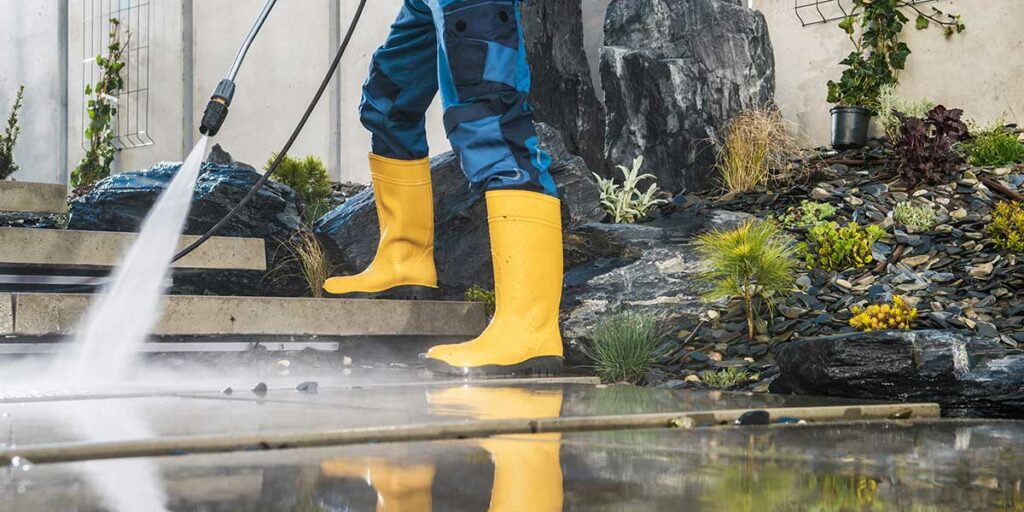
Professionals evaluate every job based on rain intensity, not simply whether rain is falling. Light drizzle and overcast conditions are among the most favorable weather conditions for pressure washing because they prevent cleaning solutions from drying too quickly on hot siding or concrete.
When detergents stay wet longer, they dwell on the surface more effectively, breaking down algae and mildew before the rinse cycle begins.
The situation changes considerably with heavier rainfall, which:
Most experienced contractors will pause mid-job when rain intensifies and resume once it passes rather than push through and compromise the quality of their work. Regular maintenance slows surface deterioration and shows how often to pressure wash your driveway.
Comprehensive power washer safety precautions cover more than just personal protective equipment. Rain introduces specific hazards that professionals must account for.
Electrical safety is the most critical factor in rainy conditions. Professional gas-powered equipment eliminates the shock risk associated with consumer electric models, but any auxiliary electrical components on the job site still require GFCI protection and careful placement to avoid pooling water. Even without lightning present, heavy rain and standing water near power sources create conditions that responsible crews treat as a firm reason to stop work.
Beyond electrical concerns, wet ladders and surfaces coated with soapy runoff all create slip hazards that require proper footwear and deliberate movement. Reputable contractors monitor radar and check conditions on arrival. Expect a pro to reschedule rather than operate during an active storm.
Professionals know which surfaces are safe to pressure wash to prevent damage to delicate siding or masonry.
A surface already saturated from prolonged rain presents a different challenge than concrete soaking up a light drizzle during a cleaning session. Fully waterlogged wood decks and paved or painted surfaces absorb additional pressure less predictably, increasing the risk of surface damage.
On fully waterlogged wood, it may be safer to choose safe soft washing techniques instead of high-pressure methods.
Professionals familiar with the Lowcountry environment understand that even after the rain stops, some surfaces will require at least a short drying window before high-pressure work begins. This is especially relevant for porous wood and masonry, which are more vulnerable when saturated.
Outdoor surface cleaning schedules in coastal South Carolina require flexibility because the weather here rarely stays predictable for an entire workday. Charleston’s humid subtropical climate produces regular summer thunderstorms and afternoon pop-up showers that can shift conditions mid-job.
Just because there’s a chance of rain in the forecast does not automatically mean a cancellation. Light rain may not change anything, while a storm warning almost certainly will.
Ask any professional contractor about their rain policy before booking. A clear answer about when they will pause or reschedule tells you a great deal about how seriously they take both safety and quality.
So, can you pressure wash in the rain? Now that you know more about how weather affects the process, you can approach scheduling with realistic expectations and ask the right questions.
Mount Pleasant Pressure Washing brings deep knowledge of local weather and exterior surfaces to every job, including an understanding of how long it takes to professionally pressure wash a house based on size, surface type, and weather conditions on the day of service.
Contact us online or call our friendly team at (843) 471-0799 today to request a free quote for your exterior cleaning needs.