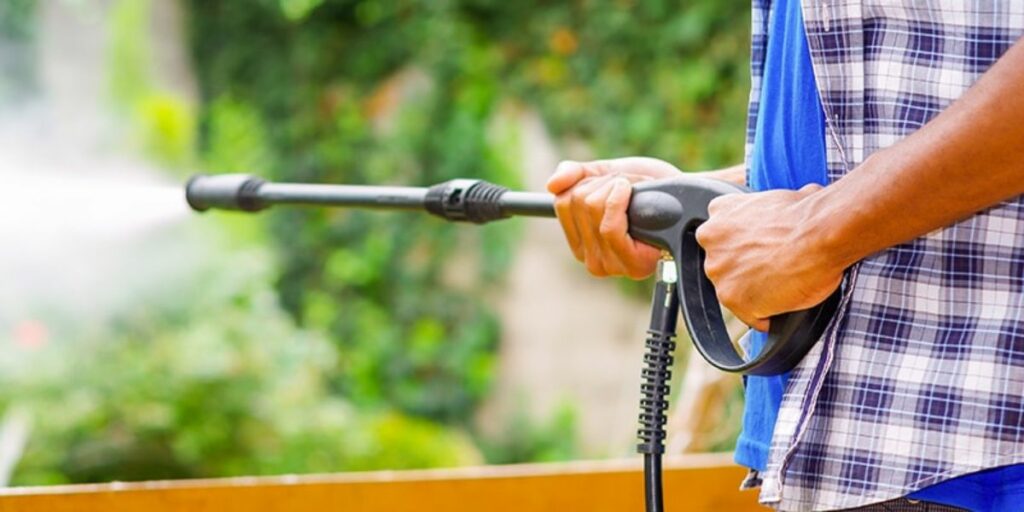
You rented or bought a pressure washer hoping for sparkling siding and a spotless driveway, but instead you ended up with gouged wood or peeled paint. These machines may look like oversized squirt guns, yet a few small slip-ups can turn a quick chore into a costly repair bill, leaving many homeowners turning to professional pressure washing services instead.
The good news is that the most common pressure washing mistakes are simple to avoid once you know what to watch for. Mount Pleasant Pressure Washing has seen it all, and we want to help you skip the headaches.
The most common pressure washing mistake comes down to picking the wrong tip for the job. Each pressure washer nozzle changes the angle and intensity of the spray. A narrow tip on a delicate material is a fast track to surface damage.
Here is a quick rundown of the color-coded tips and where they belong:
Always match the tip to the material. If you’re unsure, test the nozzle on a hidden spot first. Following the right pressure washing order also makes a real difference in how evenly your home cleans up.
Skipping prep work leads to pressure washing mistakes that creep up mid-project. Loose furniture, exposed outlets, open windows, and tender landscaping can all suffer when water and debris start flying.
Take a few minutes to sweep the area, cover outlets with tape, close windows tightly, and drape tarps over plants. A quick rinse of nearby foliage with a garden hose washes away any stray detergent.
One of the riskiest pressure washing mistakes is treating these machines like toys. A narrow stream of water at several thousand PSI can slice through skin, and many homeowners forget that until something goes wrong.
Before you pull the trigger, gear up with the basics:
The right protective gear is non-negotiable, and you should never climb a ladder while spraying. Kickback can knock you off balance, so reach for a telescoping extension instead.
How you hold the wand matters just as much as the tip you chose. Spraying head-on drives grime deeper into porous materials, while a slight angle lifts the dirt and pushes it away.
Standing too close concentrates the high-pressure spray onto a tiny area, and that focused force can carve lines into wood or punch through soft vinyl. Keep the wand 12 to 18 inches from the surface and move in smooth, overlapping strokes.
Never aim upward into siding, either. Doing so forces moisture behind the panels and can lead to damaged siding and hidden mold.
Not every surface around your home can handle a high-pressure spray. It’s often best to avoid pressure washing the following materials to prevent damage:
Stick to durable materials like concrete, brick, and fiber cement siding at appropriate settings. When you spot peeling paint or aging caulk, slow down and reach for a softer method.
When the trigger is not engaged, your pressure washer redirects water back through the pump in a closed loop. That water heats up fast, so idling for more than a minute or two can burn out the pump. Most consumer-grade washers lack the ceramic-lined parts to handle prolonged idling.
Avoiding pressure washing mistakes comes down to using the right gear, settings, and nozzles for approved surfaces. If you would rather skip the guesswork, Mount Pleasant Pressure Washing can estimate the time required to pressure wash your property and handle the cleaning for you.
Our team brings professional equipment, eco-conscious techniques, and years of hands-on experience to every home across the Charleston, SC, area. Call (843) 471-0799 today to schedule pressure washing with our trusted crew at Mount Pleasant Pressure Washing.